France
Baltic
The French brand that made neo-vintage affordable. Started from a father’s watch diary, assembled in Besançon, and still the easiest first mechanical watch to recommend.
- Founded
- 2017Kickstarter launch
- Range
- €385–1.6k
- Movement
- Miyota & Sellita9039 / 8315 / SW510-M
- Case size
- 34–39.5 mm
- Reviews
- 3Updated automatically
On the wrist
Baltic reviews and guides
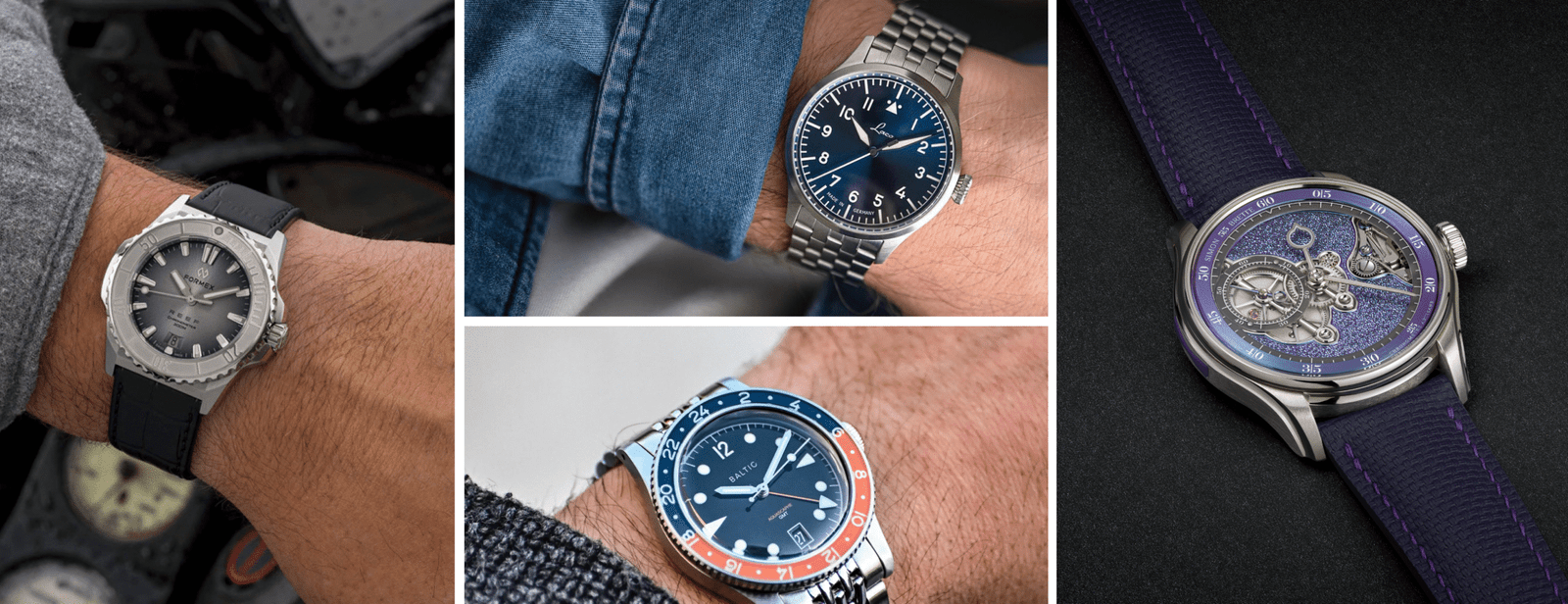
 10 Best Vintage-Inspired Microbrand Watches in 2026
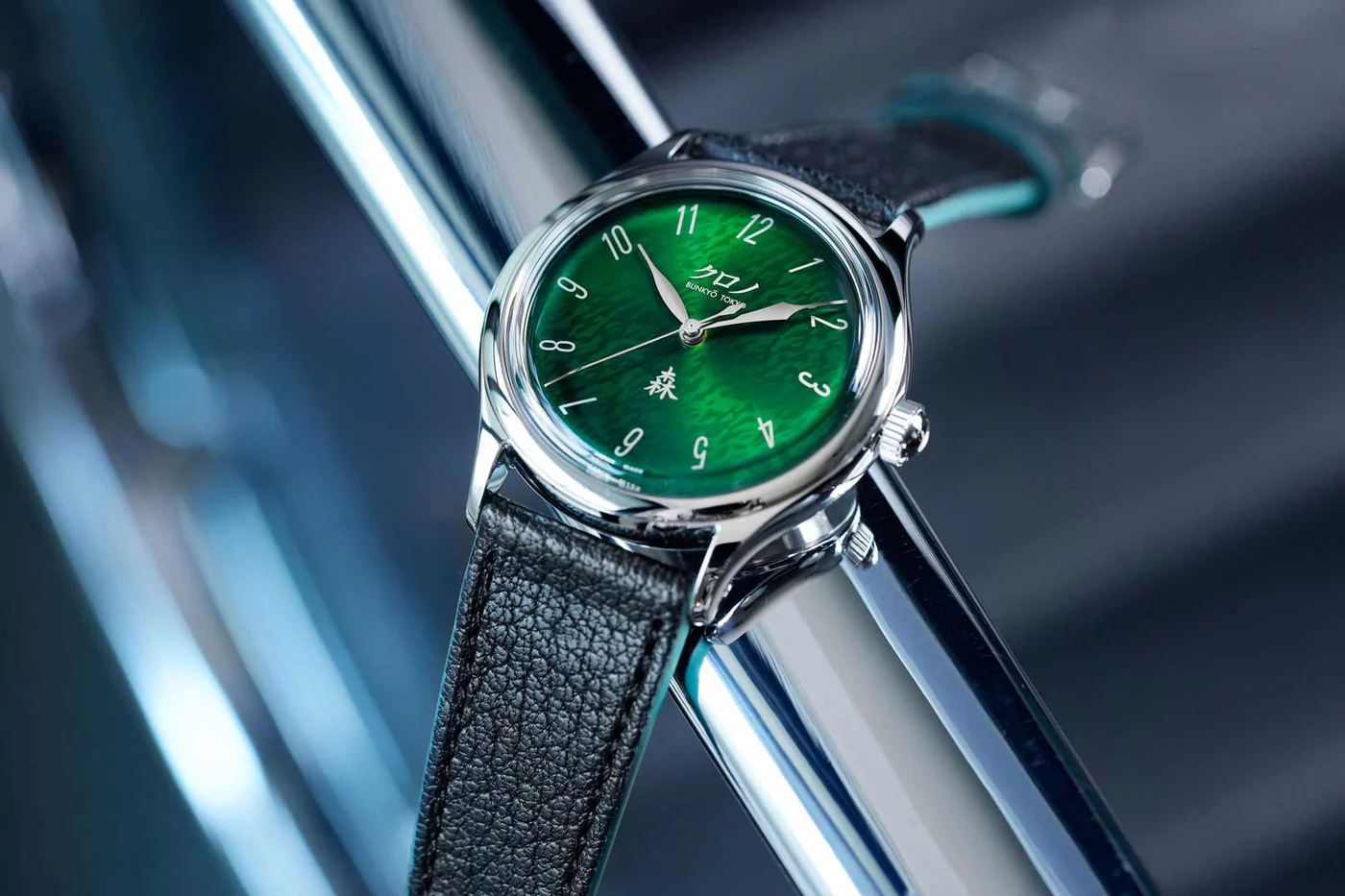
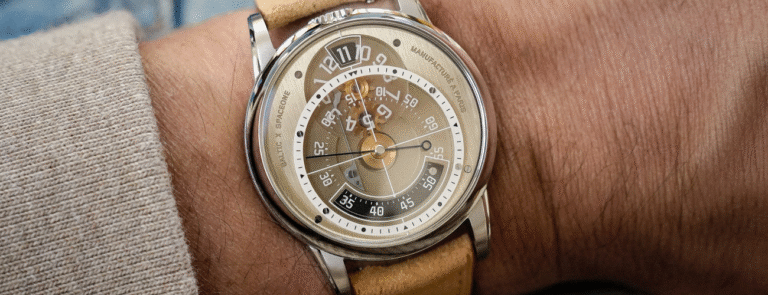 Baltic x SpaceOne Seconde Majeure Review: A Parisian Collaboration
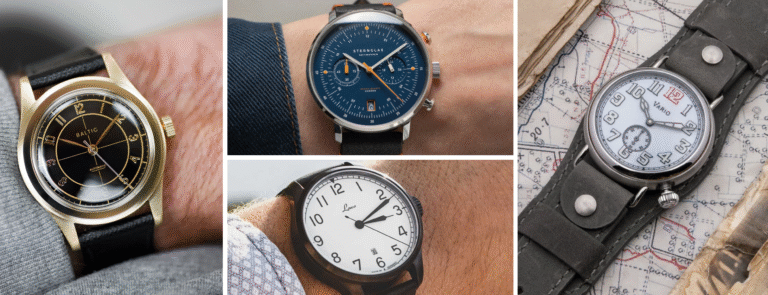 Best Microbrand Watches Under 500 Dollars in 2026 – Top 10 Picks
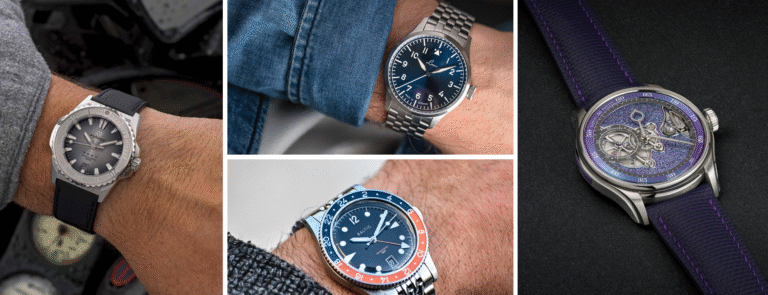 Different Watch Types Guide: Dive, Pilot, Dress, Chronograph & More
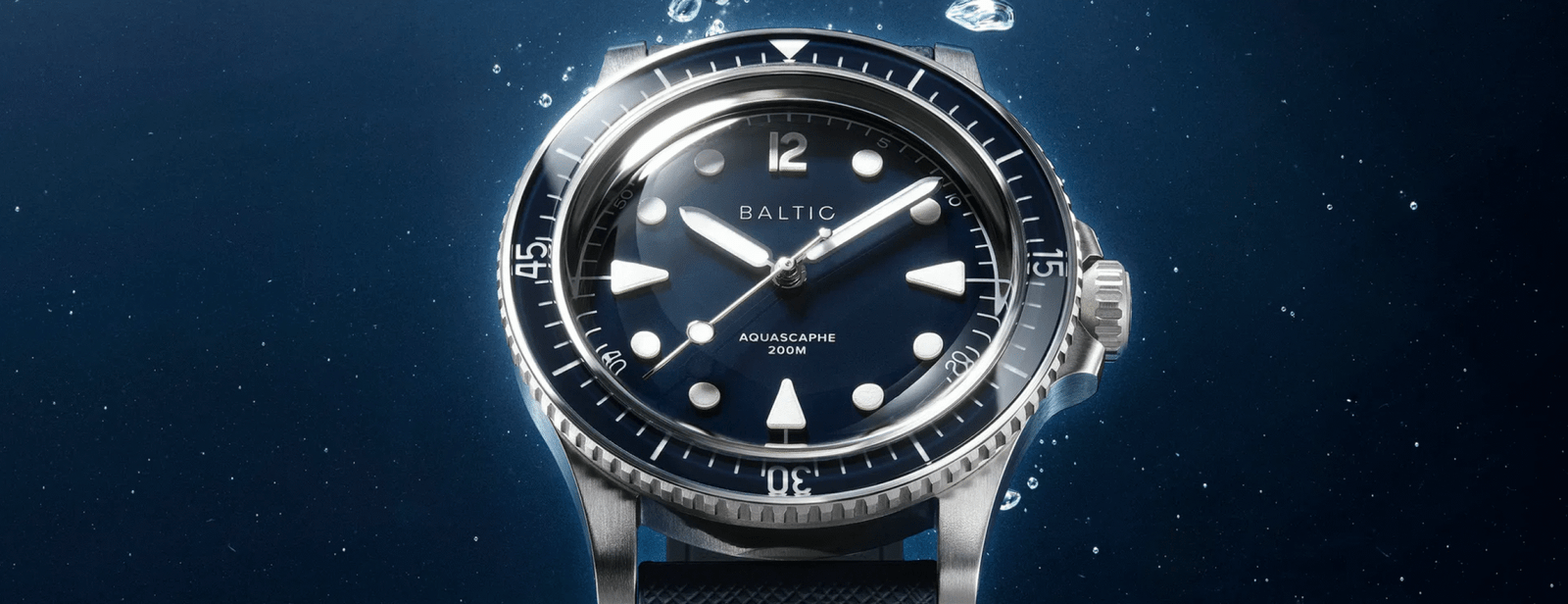
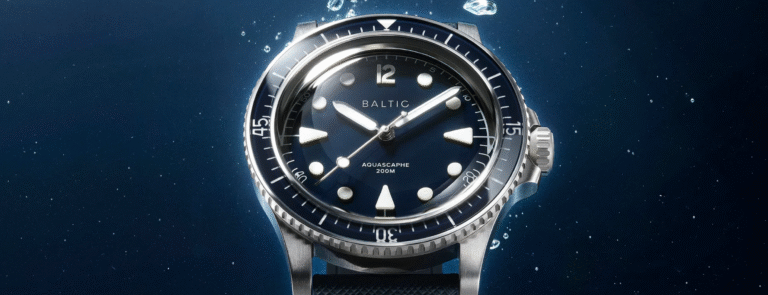 Baltic Aquascaphe Review: A Neo Vintage Dive Watch done right
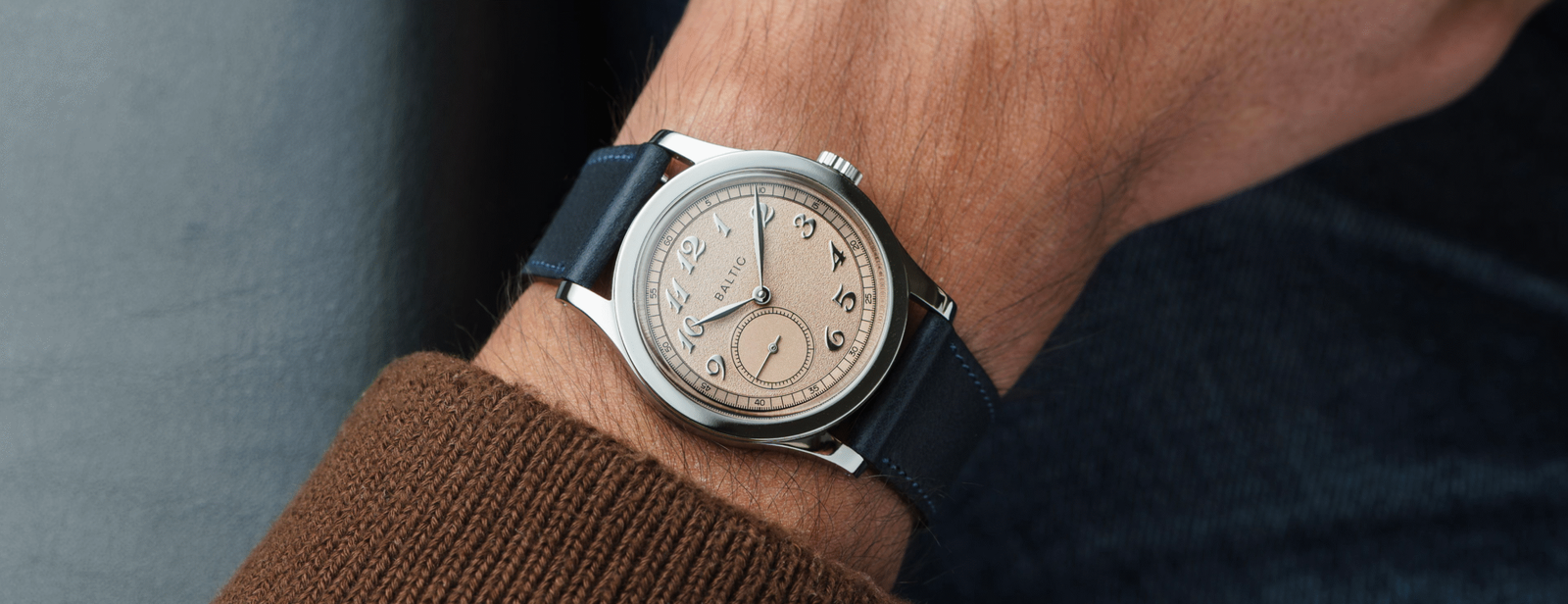
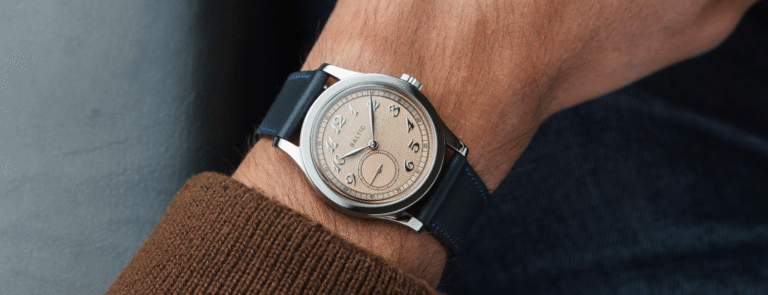 Baltic MR Classic Salmon Review: Vintage Style With Micro-Rotor Magic
The brand
Vintage looks, honest prices
Baltic was founded in 2017 by Etienne Malec. The story starts with his father, a collector who kept a diary of every watch that passed through his hands, with what he paid, what he sold it for and what he traded it against. His father died when Etienne was young, and the diary and the collection became the seed of the brand. The first two models, the HMS 001 and the Bicompax 001, launched on Kickstarter in 2017 and raised several hundred thousand euros from backers.
The formula has not changed much since, and that is the point. Baltic takes the proportions and details of mid-century watches, such as domed crystals, small cases, gilt print and sector dials, and builds them with modern parts at prices most people can justify. Components come from Asia and are sent to the brand’s atelier in Besançon, where they are assembled and adjusted. It is honest about that split, which is more than some brands manage. The watches are sold direct, which keeps the prices down.
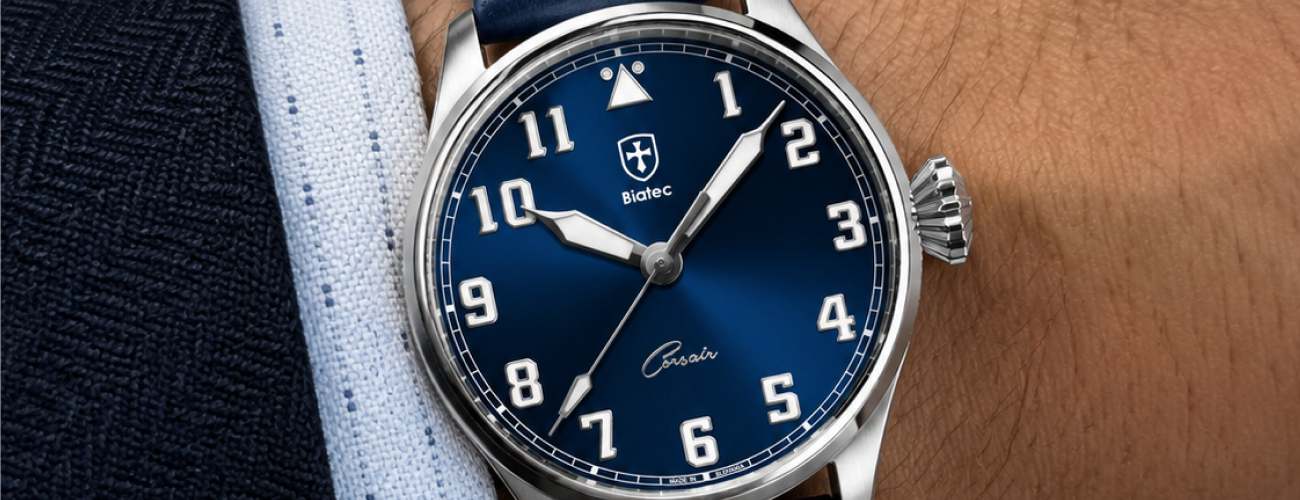
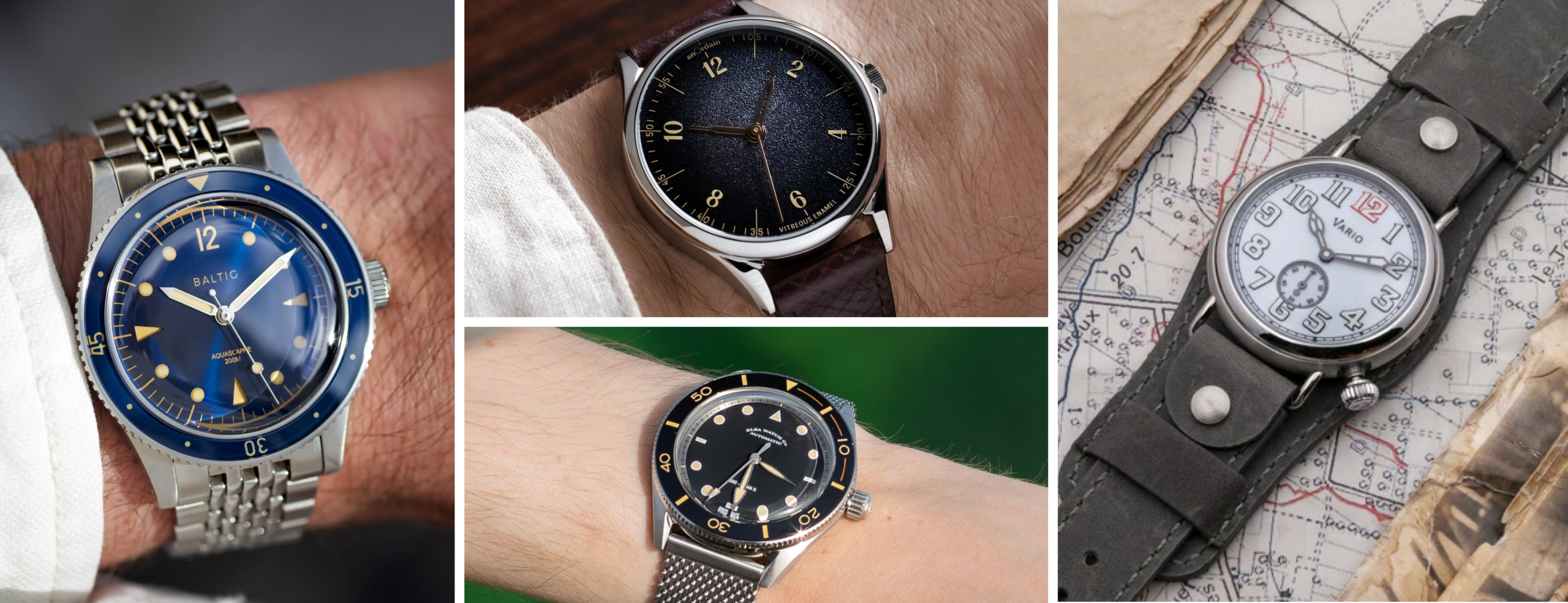
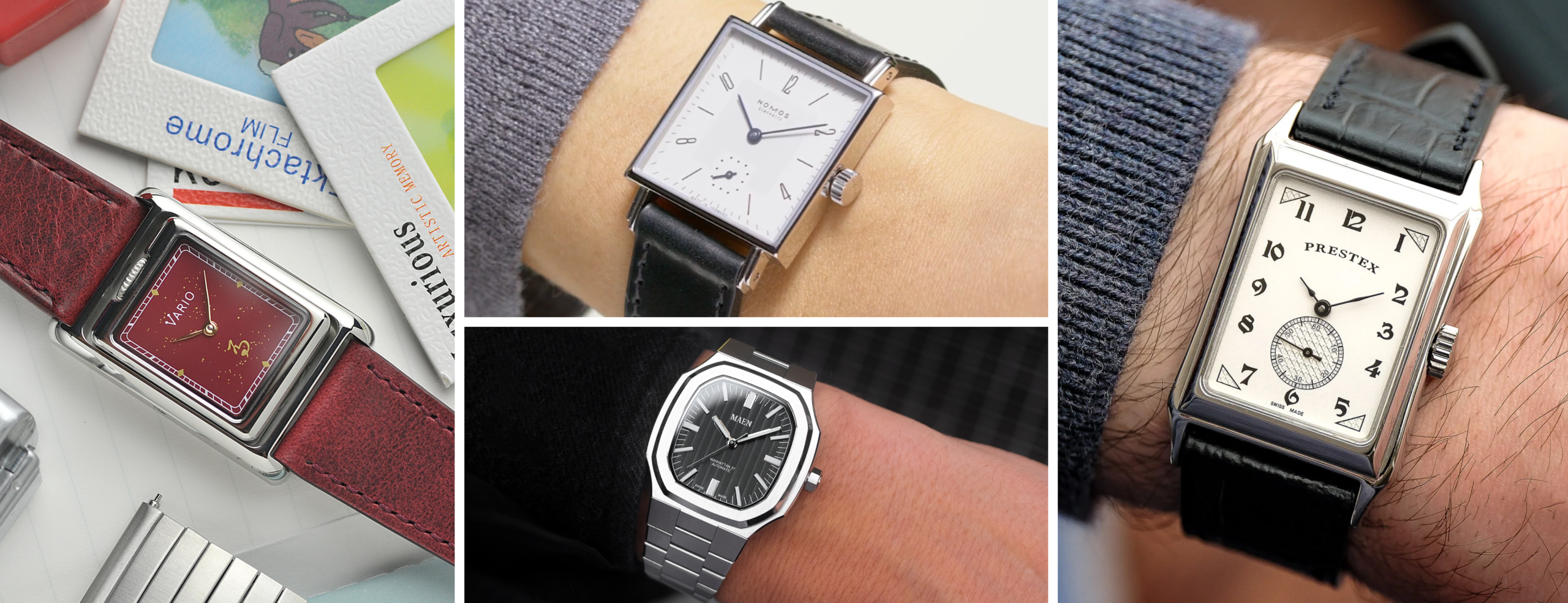
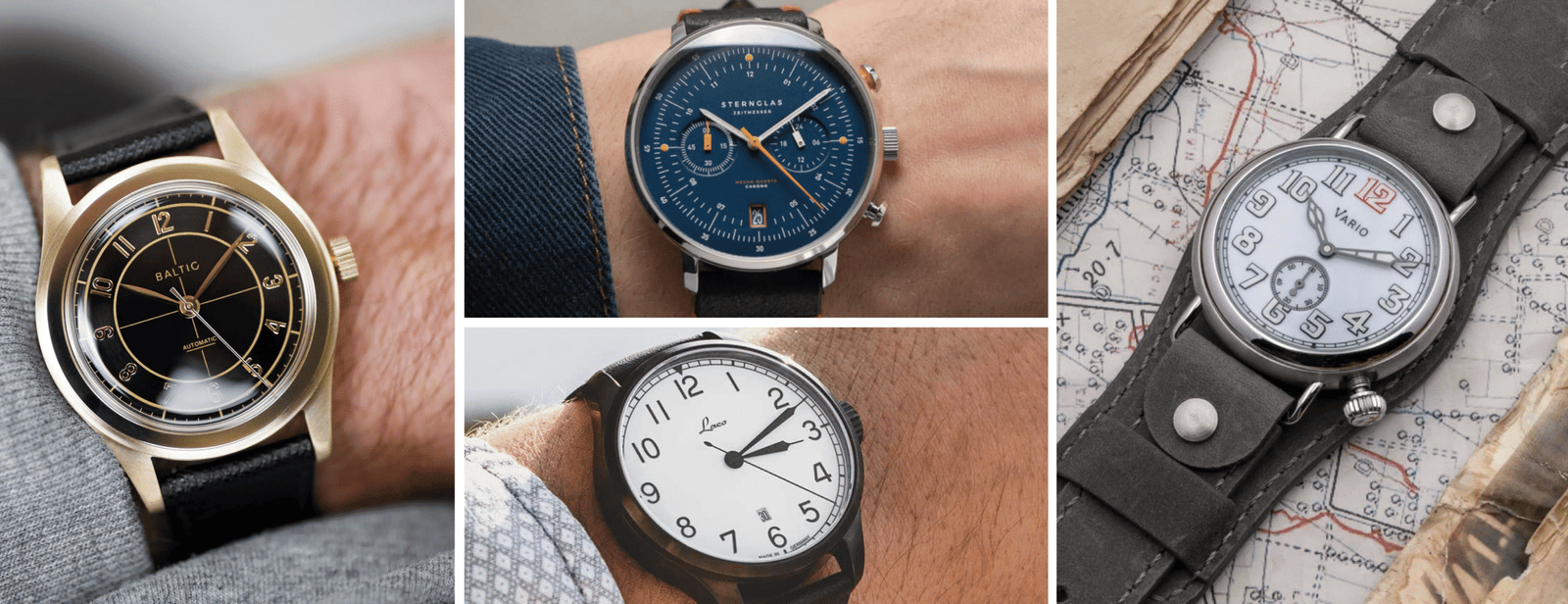
The Aquascaphe is the watch most people think of first. It is a 39mm skin diver with a Miyota 9039, 200m of water resistance and a short lug-to-lug, and in our Aquascaphe review we called it a neo-vintage dive watch done right. The HMS is the simplest entry point, a 38mm three-hander that starts at €385. The MR Classic is the one we would wind for a lifetime: a 36mm dress watch, 9.9mm thick, with a Hangzhou micro-rotor movement you can see through the back, at around €545 to €650.
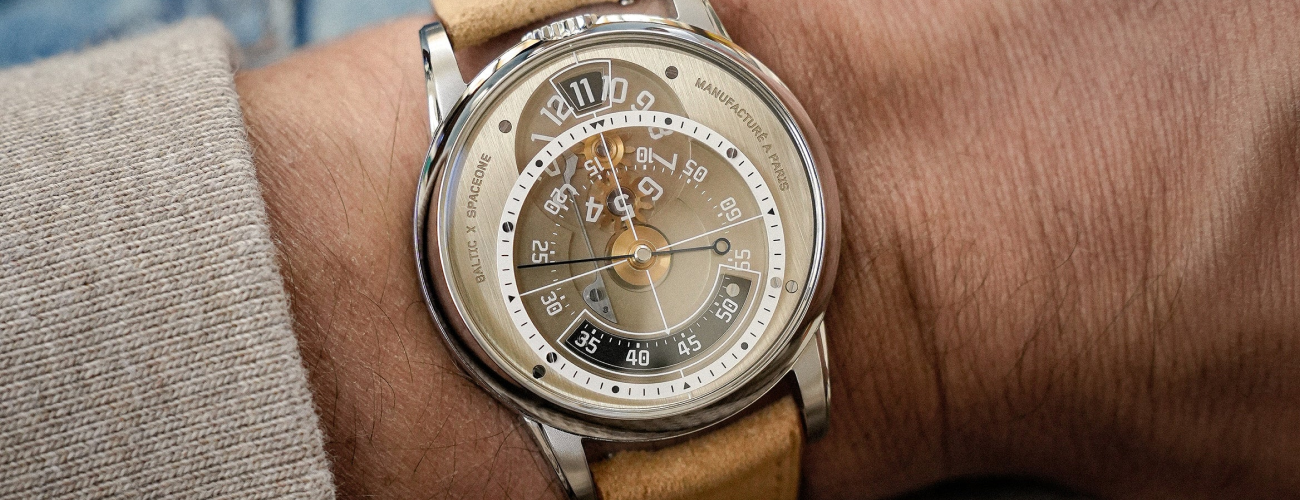
The range has grown upwards. The Aquascaphe GMT starts at €850, and there are Hermétique field watches in 34mm and 37mm, a Heures du Monde worldtimer and stone-dial pieces from €1,300 to €1,450. At the top, the Scalegraph is a proper hand-wound chronograph with the Swiss Sellita SW510-M, from €1,585. Then there are collaborations, like the Baltic x SpaceOne Seconde Majeure we reviewed, a jumping-hour watch with a Soprod base and a module by Théo Auffret at €3,000 to €4,200. Those sit outside the core range.
Baltic’s strength is consistency. Almost everything it makes is well proportioned, well finished for the money, and sized for normal wrists rather than for show. The weaknesses are the ones you would expect at this price. Most of the range runs on Japanese or Chinese movements, the hesalite crystals on some models scratch, and popular references sell out quickly. None of that changes the verdict. For a first good mechanical watch with real character, Baltic is still the brand we point people to most often.
Who it’s for
You want a watch that looks like it came from the 1950s or 1960s without paying vintage prices or vintage repair bills. You like smaller cases, and you would rather have honest finishing and a fair price than a Swiss Made label.
If you like Baltic
Five brands worth a look
People also ask
Baltic, answered
Where are Baltic watches made?
Baltic is a French brand. Components are made in Asia and sent to its atelier in Besançon, France, where the watches are assembled and adjusted. The brand describes its watches as designed and assembled in France.
How much do Baltic watches cost?
On Baltic’s own shop, prices start at €385 for the HMS 002 and run to about €1,635 for the Scalegraph chronograph. The Aquascaphe starts around €600, the MR Classic around €545 and the Aquascaphe GMT from €850. Collaborations such as the Seconde Majeure cost more.
What movements do Baltic watches use?
Mostly Japanese Miyota automatics, such as the 9039 in the Aquascaphe and the 8315 in some HMS models. The MR Classic uses a Hangzhou micro-rotor, and the Scalegraph chronograph uses the Swiss hand-wound Sellita SW510-M.
Should I buy the Baltic Aquascaphe or the MR Classic?
Pick the Aquascaphe if you want one watch for everything. It is 39mm with 200m of water resistance and a bezel. Pick the MR Classic if you want a dress watch. It is 36mm, under 10mm thick, rated to only 30m, and has a micro-rotor movement on show through the back.
Are Baltic watches worth it?
Yes, for what they are. You get thoughtful vintage design, careful assembly in France and sensible sizes for a few hundred euros. Do not expect Swiss movements in most models or high-end finishing, and be ready to wait for restocks of the popular colours.