Norway
Scandinavian design rooted in Nordic landscapes. Stone dials, fjord inspiration, and one of the most distinct visual languages in microbrands.
On the wrist
 Straum Expedition Review: Built For Norwegian Nature
 Straum Frozen Metal Titanium Review: The Arctic Comes Home
 Different Watch Types Guide: Dive, Pilot, Dress, Chronograph & More
 Micro Praha Festival 2025: The Essential Microbrand Watch Showcase in Prague
 Straum Jan Mayen Aurora Sky Review: Capturing the Northern Lights
 Straum Jan Mayen Basalt Review: Volcanic Textures from Norway
The brand
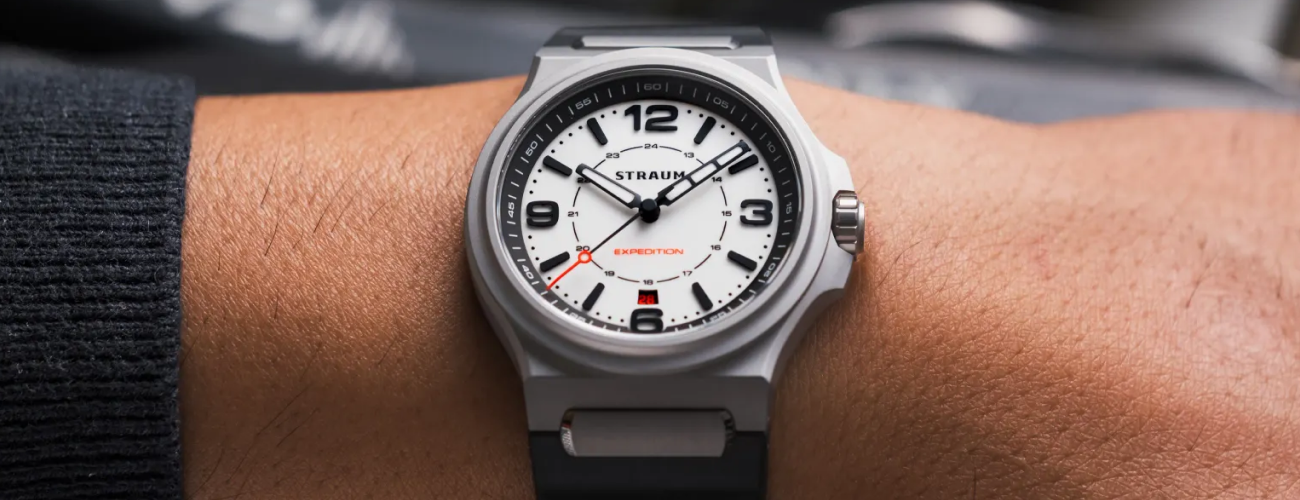
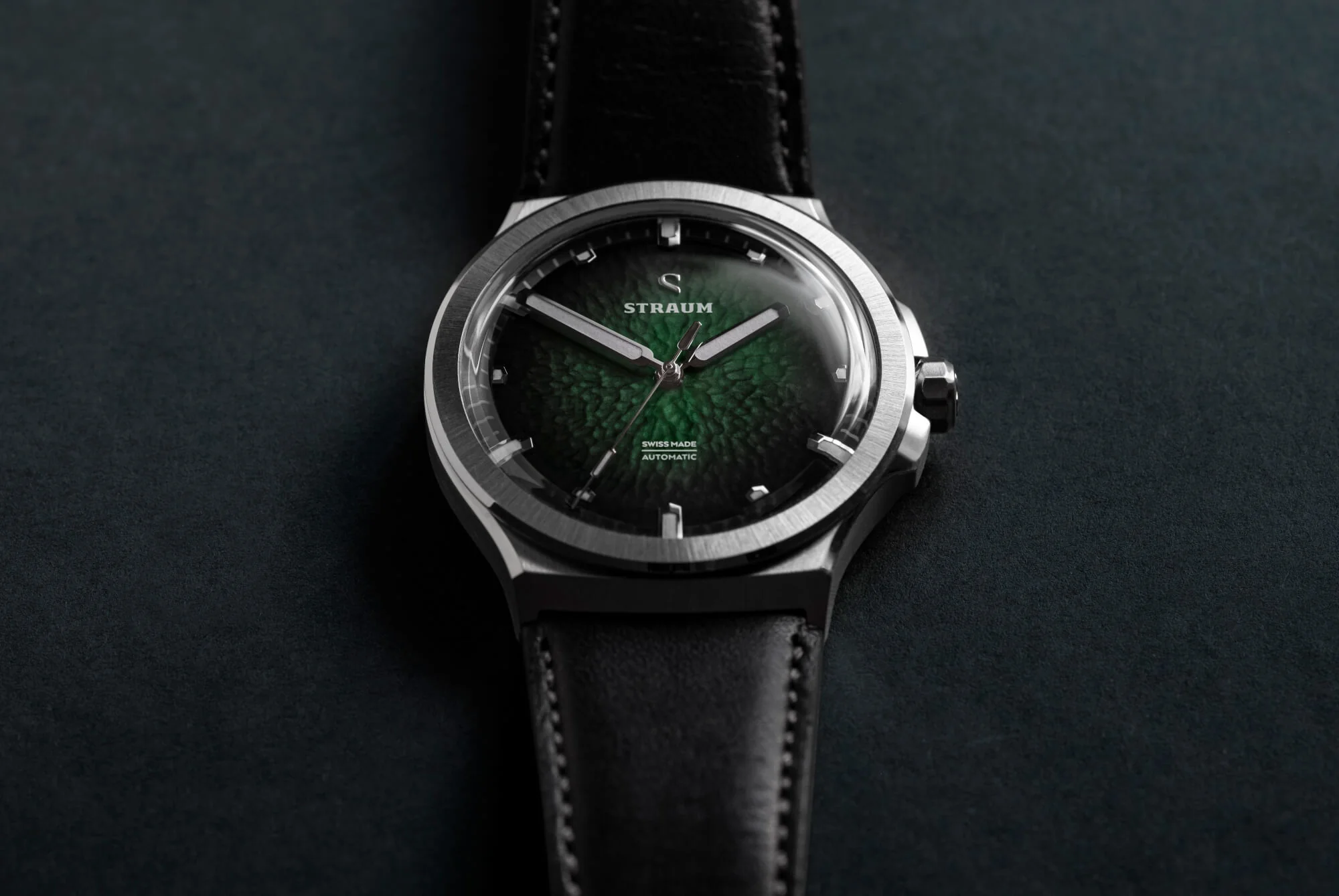
Straum was started in 2021 by Øystein and Lasse, two Norwegian designers working from the idea that a dial could carry a landscape rather than a pattern. That sounds like marketing until you handle one. The brand’s whole case for existing rests on dial texture, and it is a case they keep winning.
The name means "current" in Norwegian and the design language follows it. Cases flow rather than assemble. On the Opphav the lugs grow out of the case barrel instead of bolting onto it, which is harder to machine and much better to wear. There is no aggressive tool-watch styling anywhere in the catalogue and no vintage homage, which in this segment counts as a position in itself.
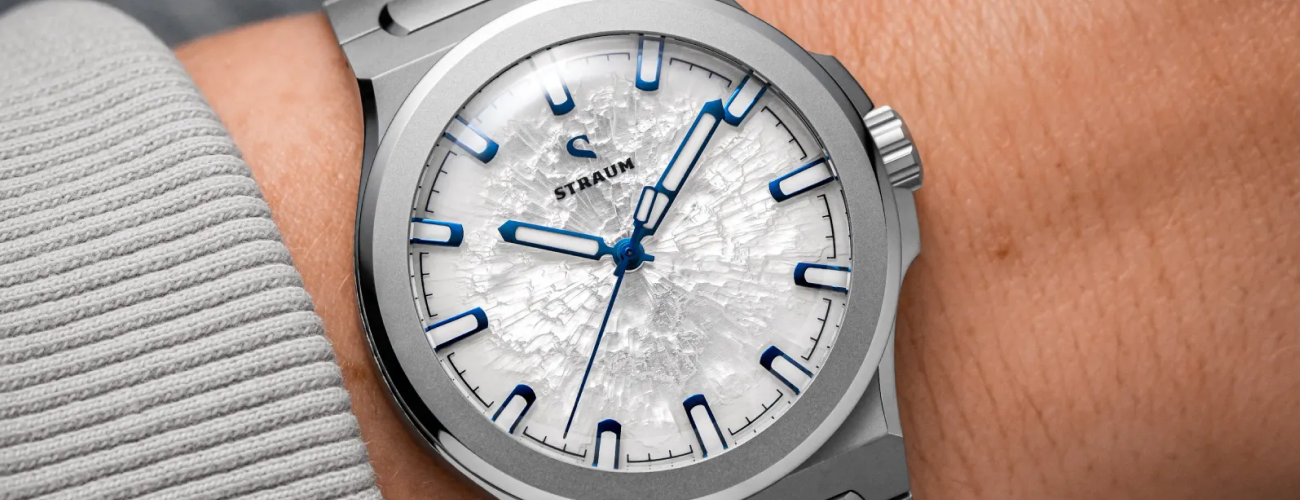
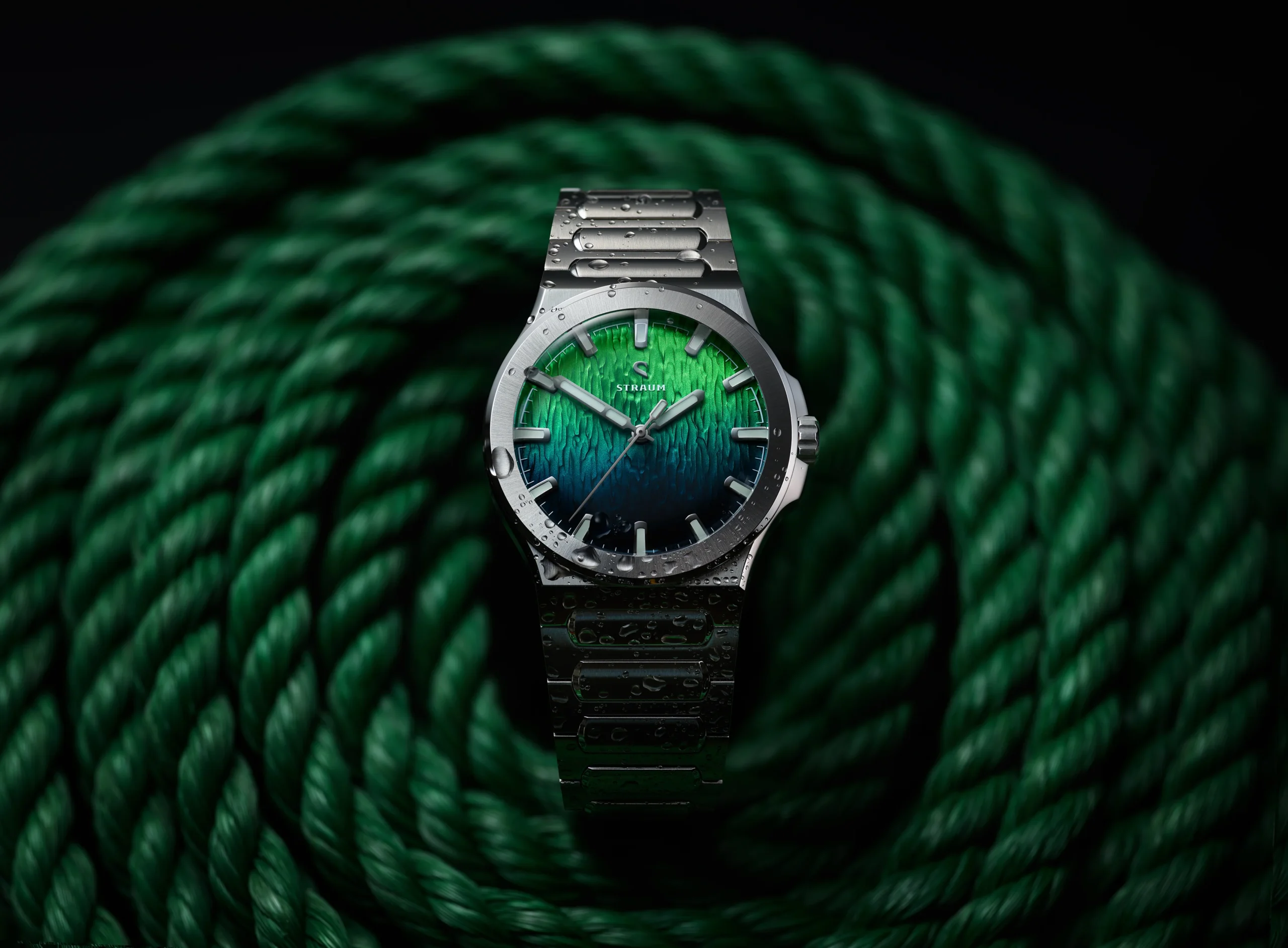
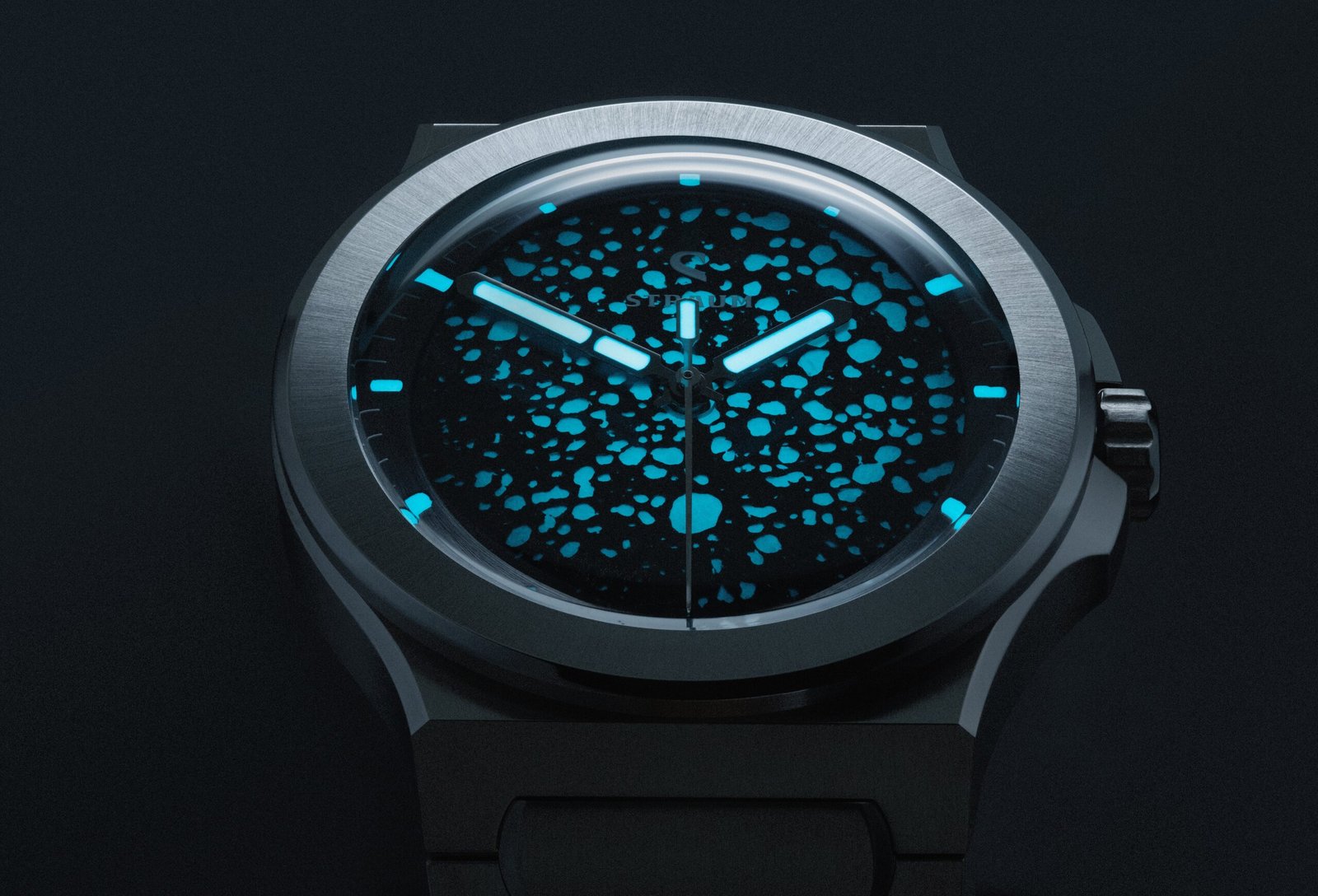
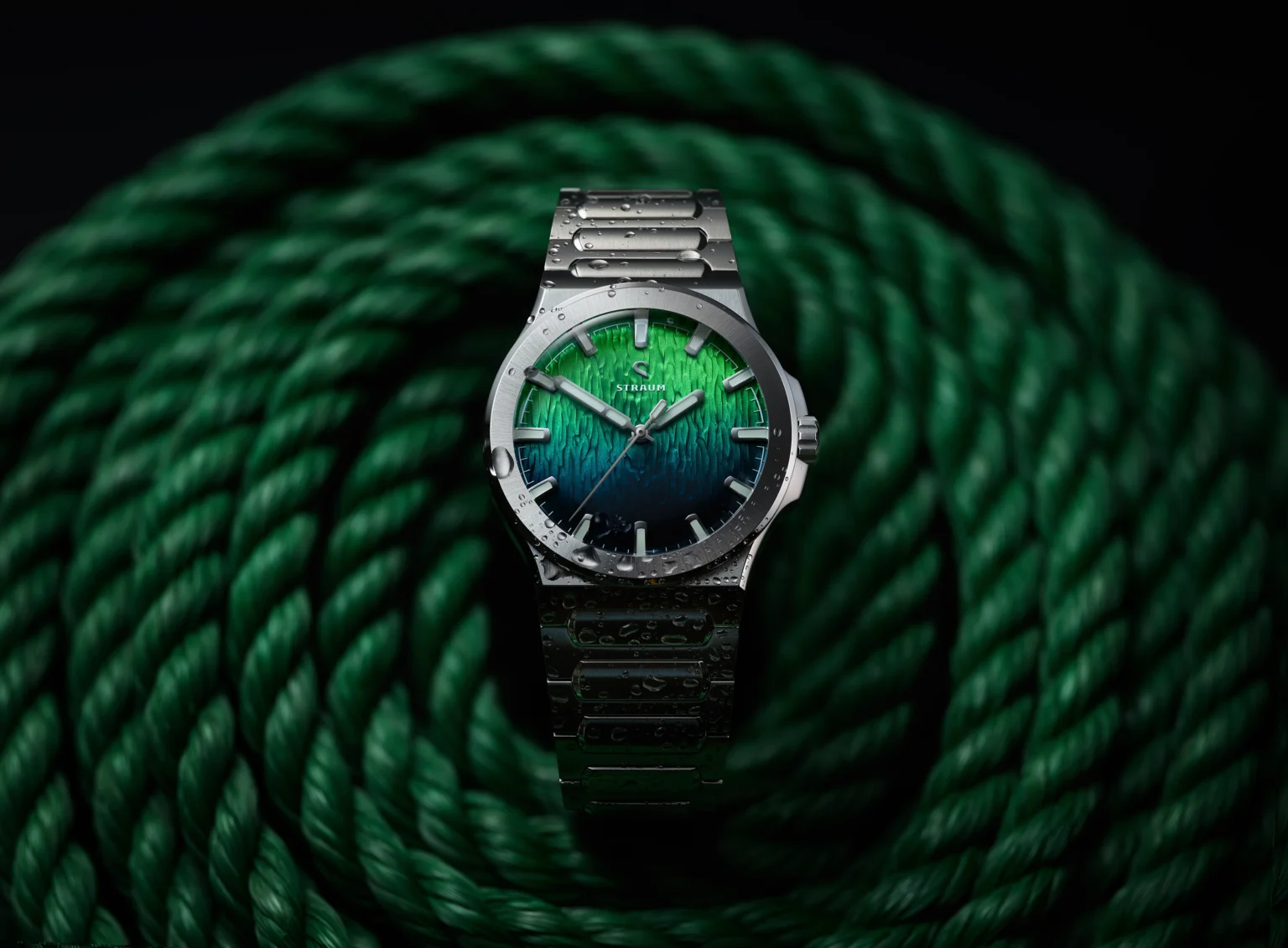
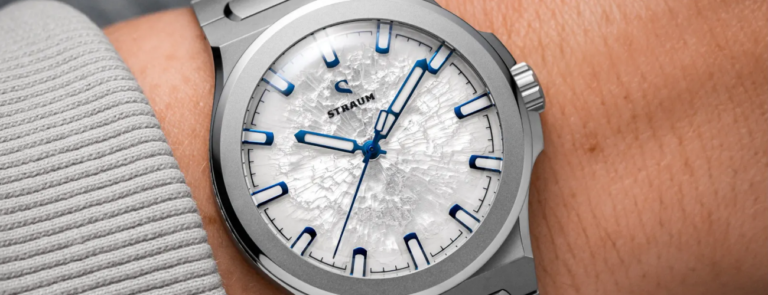
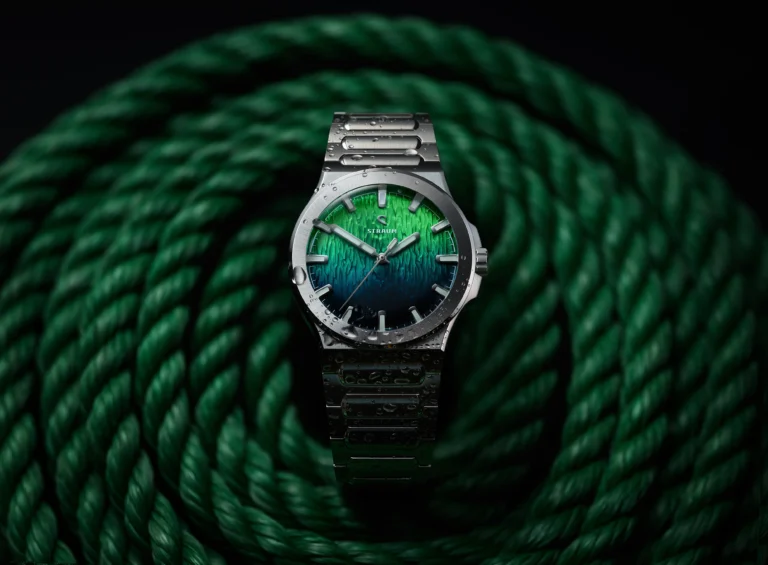
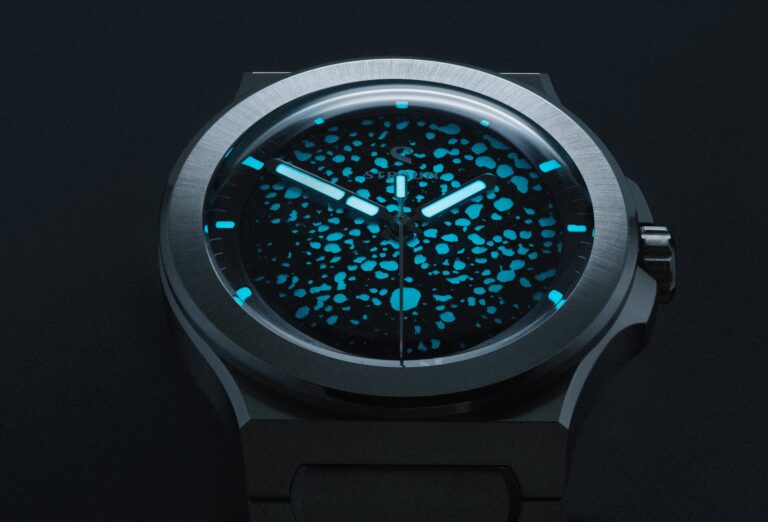
What separates them from the other design-led microbrands is the dial process. The Jan Mayen Basalt uses a volcanic texture that shifts character across its three colourways. The Aurora Sky attempts the northern lights and, against the odds, avoids looking like a novelty. The Frozen Metal runs a galvanic frost treatment as a reverse fumé, granular at the perimeter and polished at the centre. These are proper dial techniques rather than printed effects, and nobody else under €3,000 is attempting them.
The movement choice shows where the money goes. Straum moved from a Sellita SW200-1 on the original Opphav to the La Joux-Perret G101 in Soigné grade across the Jan Mayen line, adjusted in four positions and good for 68 hours. Against the 38 to 41 hours of a standard Sellita, that is a real off-the-wrist-Friday, still-running-Monday difference rather than a spec sheet number.
The catch is scale. Production runs are short and several of the most interesting pieces have been limited editions, the Basalt among them at 100 pieces. If you want a specific dial you usually have to be quick, and the secondary market is thin enough that missing a release often means missing it for good.
You care more about how a dial behaves in changing light than about brand heritage, you want something nobody at the office will recognise, and 38.7mm suits your wrist. The Jan Mayen line is one of the few places under €2,000 where the finishing genuinely matches the price.
If you want a hard-wearing tool watch, a bracelet-first daily beater with easy service access, or anything resembling resale value, Straum are not building it. Better to spend the money where those things are the point.
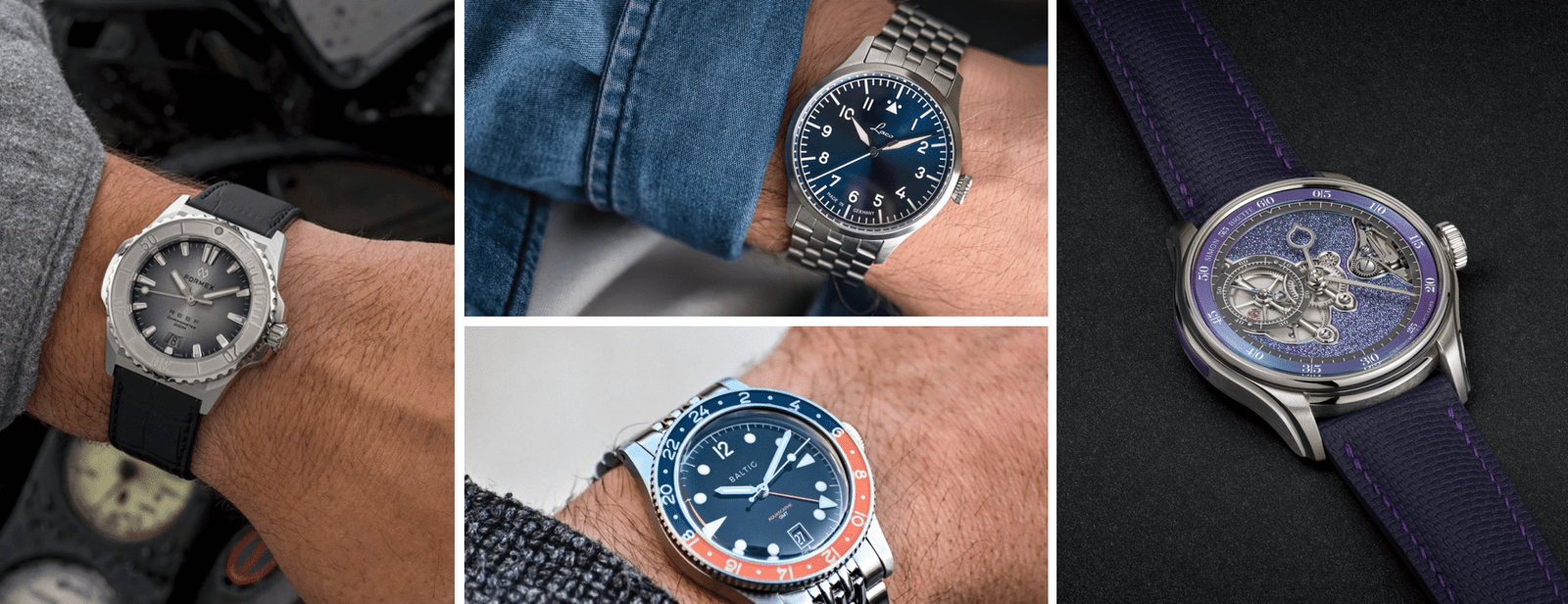
If you like Straum
People also ask
Straum is a Norwegian brand, founded and designed in Norway by Øystein and Lasse. As with almost every microbrand at this size, the movements are Swiss and manufacturing is contracted out. The design, dial development and specification are Norwegian, and that is where the brand’s value sits.
Roughly €830 to €2,800. The Opphav opens the range at €829 excluding taxes. The Jan Mayen line sits between €1,554 and €1,825. The Frozen Metal Titanium tops it out at around €2,400, or closer to €2,750 on the titanium bracelet.
The Jan Mayen collection uses the La Joux-Perret G101 in Soigné grade: Swiss automatic, 24 jewels, adjusted in four positions, with a 68 hour power reserve. The original Opphav uses a Sellita SW200-1. That move to La Joux-Perret is the clearest signal of where Straum have taken the brand since launch.
For the dial work, yes. The galvanic frost and volcanic textures are real manufacturing processes rather than printed effects, and nothing else under €3,000 looks like them. The 68 hour La Joux-Perret movement is a genuine step above the Sellita most competitors fit at this price. What you are not buying is resale value, brand recognition or a tool watch. If those matter, the money is better spent elsewhere.
The Opphav if you want to understand the brand without committing, since it is both the cheapest and the purest expression of the case design. The Jan Mayen Aurora Sky if you already know you want the dial work and the better movement. The Basalt was limited to 100 pieces and is no longer available new.